
How to Choose the Right SMT Pick-and-Place Machine: Top 5 Pitfalls to Avoid
How to Choose the Right SMT Pick-and-Place Machine: Top 5 Pitfalls to Avoid
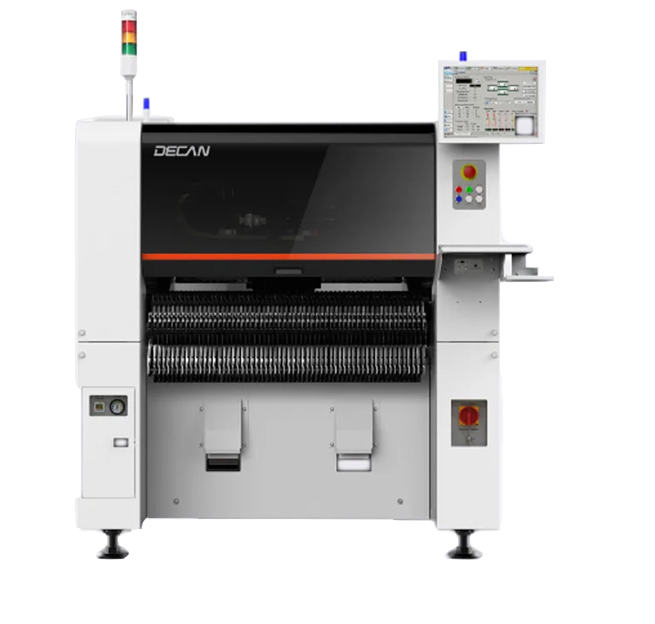
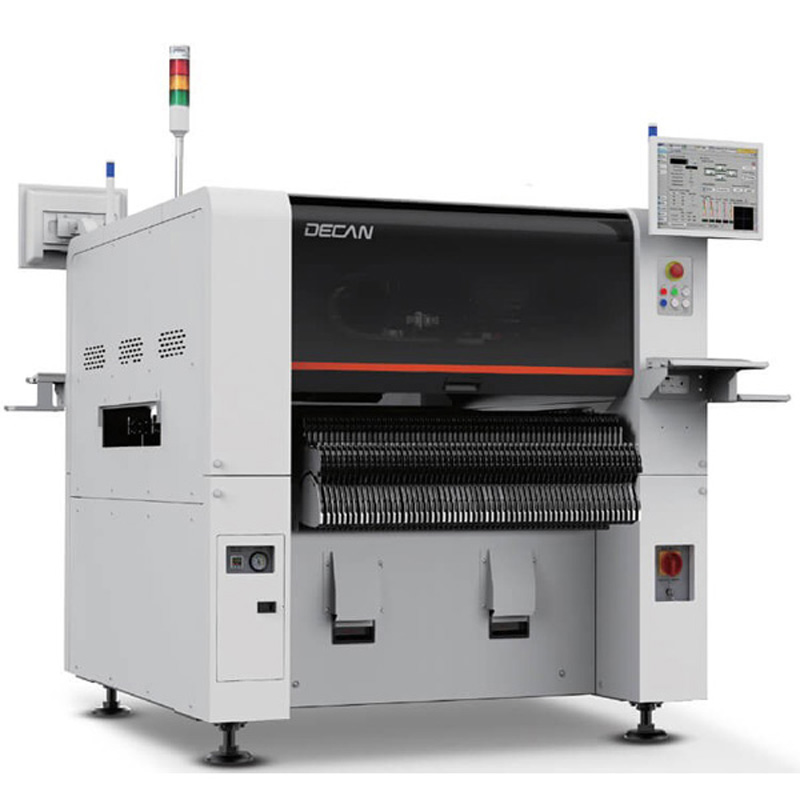
Choosing an SMT pick-and-place machine is a major investment for any electronics manufacturer. The wrong decision can lead to costly downtime, poor yield, and constant headaches. As an independent SMT equipment supplier, we’ve seen too many buyers fall into the same traps. Here’s your concise, no-nonsense guide to picking the right machine—and avoiding common mistakes.
1. Don’t Chase Speed Alone – Look at Real Throughput
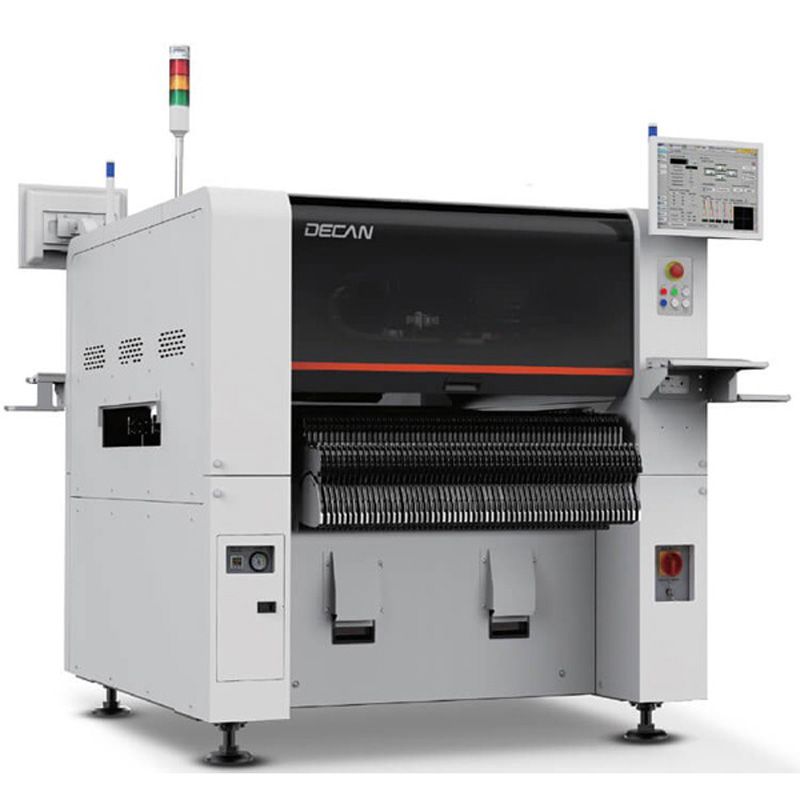
Many buyers fixate on the manufacturer’s “maximum speed” (e.g., 30,000 CPH). That number often comes from ideal lab conditions: 10mm feed pitch, no component rotation, and perfect PCBs. In real life, with mixed components (0402, ICs, connectors), actual speed can drop by 30–50%.
✅ How to avoid: Ask for real production data using your typical component mix. Request on-site tests or watch live demos with similar boards. Check IPC-9850 test results if available.
2. Neglecting Component Range & Feeder Compatibility
A machine that handles only tiny chips but struggles with odd-shaped components (shielding cases, USB ports, large QFPs) will force you into secondary placement — doubling labor and risk.
✅ How to avoid: List your top 10 largest, smallest, tallest, and most irregular components. Confirm the machine can handle all of them without special workarounds. Also ensure the feeder library matches your current inventory (e.g., electric vs. pneumatic, tape widths).
3. Underestimating Software & Ease of Setup
Some cheap machines have terrible UI: offline programming is clunky, component libraries are incomplete, and changovers take hours. Hidden costs = lost production.
✅ How to avoid: Request a trial of the offline programming software. Check if it can import CAD/centroid data directly. Ask about average changeover time for a typical job. Read user reviews on software stability, not just hardware specs.
4. Forgetting Long-Term Support & Spare Parts
Many SMT lines fail because the original supplier stopped selling parts or disappeared. Secondhand machines without documentation can become boat anchors.
✅ How to avoid: Before buying, ask:
-
Are nozzles, holders, and light sources standard or proprietary?
-
What’s the typical lead time for a common part (e.g., motor, camera, feeder)?
-
Do they provide remote diagnostics, training, and software updates after 2 years?
Choose suppliers with established local support or global logistics for spares.
5. Only Comparing Price, Not Total Cost of Ownership (TCO)
A low upfront price often means higher maintenance, slower production, more scrap, and expensive proprietary consumables. Over 5 years, a cheap machine can cost more than a reliable mid-range one.
✅ How to avoid: Calculate TCO = Purchase + Installation + Training + Consumables (nozzles, tape, filters) + Maintenance contract + Average downtime cost per hour. A $30k machine with 10% downtime at $200/hour pays for itself in lost revenue within months — negatively.
Final Word
The right SMT pick-and-place machine balances speed, component flexibility, software, support, and realistic TCO. Don’t fall for marketing numbers. Test with your real boards, ask tough questions about parts availability, and choose a partner — not just a box.
📞 Need help selecting the perfect machine for your mix? Contact us for a free consultation and on-site demo tailored to your production challenges.