
SMT First Article Inspection: Evolution, Classification, and Future Trends
SMT First Article Inspection: Evolution, Classification, and Future Trends
In the fast-paced world of Surface Mount Technology (SMT), ensuring absolute quality at the very start of production is not just a best practice—it is a necessity. The First Article Inspection (FAI) process acts as the gatekeeper, verifying that the first assembled PCB meets all design specifications before mass production begins, thereby preventing costly rework and scrap . As the industry evolves toward greater complexity and miniaturization, so too must the technology behind FAI. This article explores the classification of SMT First Article Detectors and the key trends shaping their future.
What is an SMT First Article Detector?
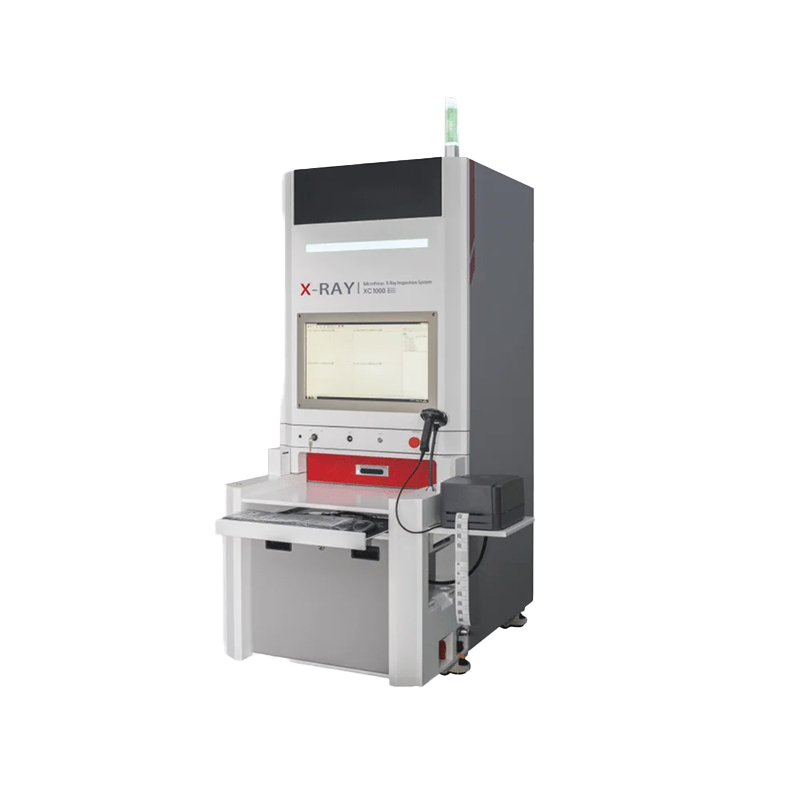
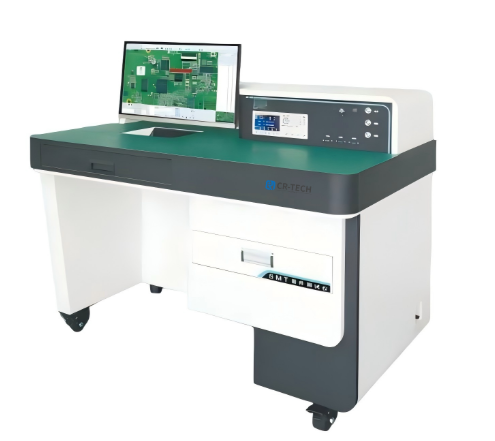
An SMT First Article Detector is a specialized system used to validate the quality and accuracy of the first assembled PCB in a production run . It compares the physical board against critical data files, including the Bill of Materials (BOM) and CAD coordinates, to ensure all components are correctly placed, have the correct values, and are oriented properly . Unlike AOI systems that focus primarily on solder joints and appearance, FAI systems are unique in their ability to perform electrical measurements, such as testing resistance and capacitance via an LCR bridge .
Classification of SMT First Article Detectors
To cater to different production scales and budgets, the market for FAI equipment is typically divided into three main categories:
1. Manual Systems
The traditional approach relies heavily on manual labor. Operators use a magnifying glass or digital microscope to visually check components and manually measure values using a tabletop LCR meter, cross-referencing everything against printed BOMs and CAD drawings . While low-cost, this method is slow, prone to human error, and requires highly skilled personnel, making it increasingly impractical for modern, high-density boards .
2. Semi-Automatic Systems
The current industry workhorse, semi-automatic systems, leverage software to guide the operator. They integrate CAD data, BOM lists, and scanned PCB images into a single interface . The system automatically highlights the component to be tested, and the operator manually uses a probe connected to an LCR bridge to measure it. The software automatically records the value and compares it to the standard, generating a digital report . This setup reduces the workload from two people to one and enhances accuracy and traceability .
3. Fully Automatic Systems
Representing the forefront of current FAI technology, fully automatic systems remove the human element from the measurement process. They utilize precision mechanical arms and probes to automatically move to each component, clamp it, and take measurements without operator intervention . These systems achieve speeds of approximately one component per second, drastically improving throughput and eliminating subjectivity .
Future Trends in SMT First Article Inspection
The SMT inspection equipment market is projected to grow significantly, with a compound annual growth rate (CAGR) of around 5.1% to 5.7% through the early 2030s . This growth is fueled by the increasing complexity of electronics and the drive for zero-defect manufacturing. Several key trends are defining the future of FAI:
1. AI and Machine Learning Integration
Artificial Intelligence is transforming inspection from a rule-based process into an intelligent, self-learning ecosystem. AI algorithms are being used to reduce false calls, allowing operators to focus on genuine defects . More advanced applications include AI-assisted programming that can set up an inspection program in minutes rather than hours, and closed-loop feedback systems that analyze data to automatically adjust SMT equipment (e.g., printers and mounters) before defects occur .
2. The Evolution Toward Inline (Online) Systems
Historically, FAI has been an offline process. However, the industry is moving toward "inline" systems that can be integrated directly into the production line . The vision is for a system to automatically extract a board for testing at defined intervals, such as after a changeover or on a timed schedule. This would allow FAI systems to communicate directly with MES software, automatically triggering alerts or stopping the line if a critical defect is detected . The primary technical hurdle has been the inability to test un-reflowed "solder paste" boards without damaging them, but manufacturers are actively working to overcome this .
3. IoT and Data Analytics
Connectivity is key. Future FAI machines will be integral components of the smart factory, enabled by the Internet of Things (IoT) . They will collect vast amounts of data on component values and trends. By analyzing this data, manufacturers can shift from reactive quality control to predictive and preventive quality management, identifying subtle process drifts before they result in a non-conforming product .
4. Meeting High-Reliability Market Demands
As the demand for high-quality electronics in sectors like automotive (especially EVs), aerospace, and medical devices grows, the pressure on FAI systems increases . These industries require rigorous documentation and foolproof inspection processes. The future of FAI lies in providing even more precise measurements and seamless data integration to meet these stringent standards .
Conclusion
The evolution of the SMT First Article Detector from manual "clip and compare" methods to automated, software-driven systems marks a significant leap forward in quality assurance. As we look ahead, the trend is clear: FAI technology is becoming smarter, more connected, and more autonomous. The integration of AI, the push toward inline testing, and the broader adoption of Industry 4.0 principles will ensure that first article inspection remains a critical and effective tool for ensuring the quality of the next generation of electronic devices.