
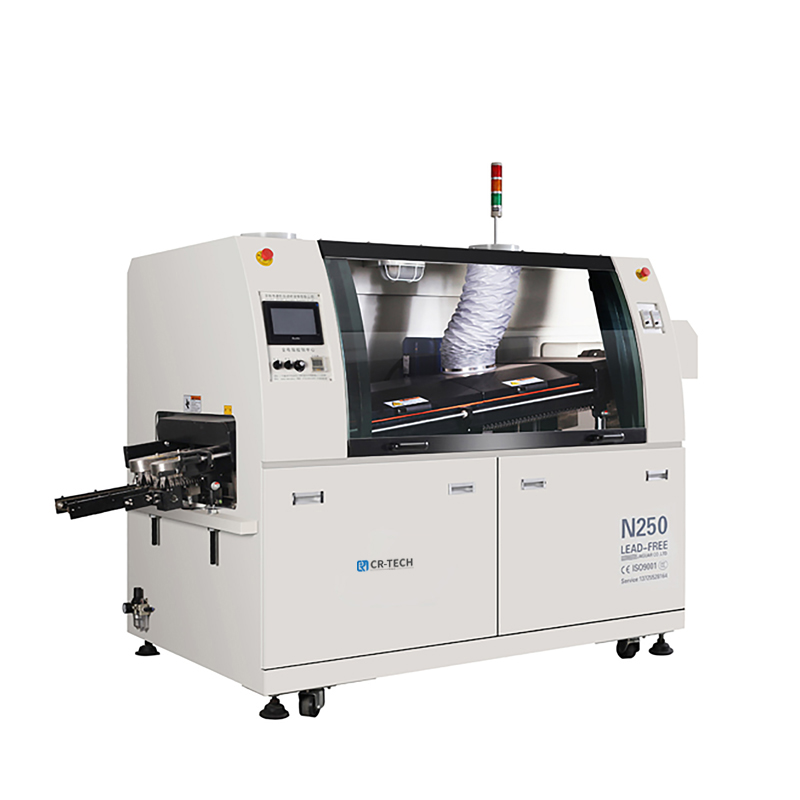
The Ultimate Guide to Automatic Screwdriving Machines
The Business Case for Automation: Why Quality, Efficiency, and Cost Demand Automatic Screwdrivers
In SMT manufacturing, the margin for error is zero. A single loose screw can lead to intermittent shorts, device failure, or expensive customer returns. While manual assembly has been the traditional route, the data overwhelmingly supports a move to automation.
Here is why upgrading to an Automatic Screw Driving Machine is not just a purchase, but an investment that pays dividends across Quality, Efficiency, and Cost.
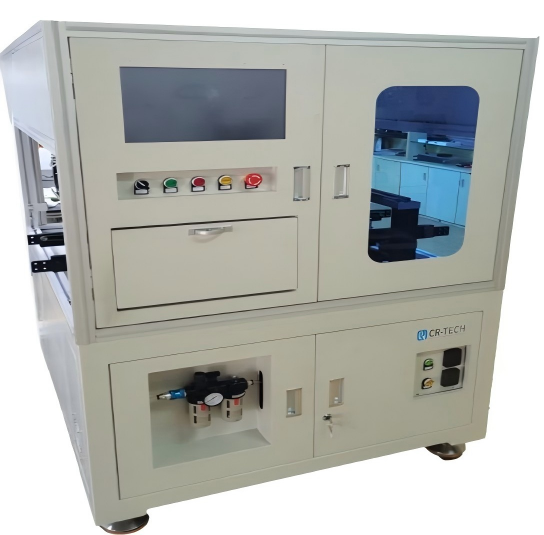
1. Uncompromising Quality (The "Torque" Imperative)
The human wrist is inconsistent. Fatigue, distraction, and varying physical strength lead to torque deviations. An automatic servo-driven screwdriver eliminates this variable.
-
Precision: It delivers precise torque control (usually within +/- 3% tolerance). This ensures that every screw is seated perfectly flush to the SMT pad, preventing "float" and ensuring consistent ground connections.
-
No Damage: Automatic machines limit push-down force, protecting fragile SMT ceramic capacitors and thin PCBs from being cracked by excessive downward pressure. Furthermore, they include "angle monitoring" to detect cross-threading in real-time, immediately flagging defective units before they reach the testing phase.
2. Exponential Efficiency (Speed Meets Throughput)
SMT lines are designed for speed, but manual screw driving is the ultimate bottleneck. A typical operator can screw 100-150 screws per hour. A high-speed automatic machine can achieve 1,000 to 1,500 screws per hour.
-
Cycle Time Reduction: For boards requiring 10 screws, manual assembly takes minutes. An automatic unit does it in seconds.
-
24/7 Operation: Automation allows for light-out manufacturing. You can run the line through breaks, shift changes, and nights without a drop in speed. This scalability ensures you meet aggressive production targets without hiring additional headcount.
3. Total Cost of Ownership (The Financial Reality)
This is where the ROI becomes undeniable. While the initial capital expenditure may seem high, the long-term savings are substantial.
-
Labor Costs: One automatic machine replaces 3–5 manual operators. In Western markets, where labor costs are rising, the payback period for an automatic screwdriver is often less than 12 months.
-
Scrap Reduction: The cost of a scrapped SMT board is not just the component cost; it includes the loss of the placement time, soldering, and testing. By reducing "human error" defects (which account for up to 30% of assembly defects), the machine pays for itself through reduced rework and scrap.
-
Consistency: Rework costs money. By ensuring 100% repeatability, you reduce the cost of repair stations and the labor required to fix mistakes.
The Verdict
For the modern SMT facility, manual screw driving is a liability. An automatic screw driving machine delivers a "Triple Win": Superior Quality, Maximum Efficiency, and Lower Total Costs. In a competitive industry, this technology is not just an upgrade; it is the baseline for survival and growth.
Call to Action:
Ready to calculate your savings? Contact our engineering team today for a free "Cost Avoidance Analysis" for your specific SMT line.