
Top 5 SMT Stencil Printer Defects & How to Eliminate Them for Zero-Defect PCBA
Top 5 SMT Stencil Printer Defects & How to Eliminate Them for Zero-Defect PCBA
Introduction
In SMT assembly, the stencil printer is often called the "gatekeeper." Statistics show that over 60% of final soldering defects originate from poor solder paste printing. For assembly houses battling rising costs and tight deadlines, catching these defects early is critical.
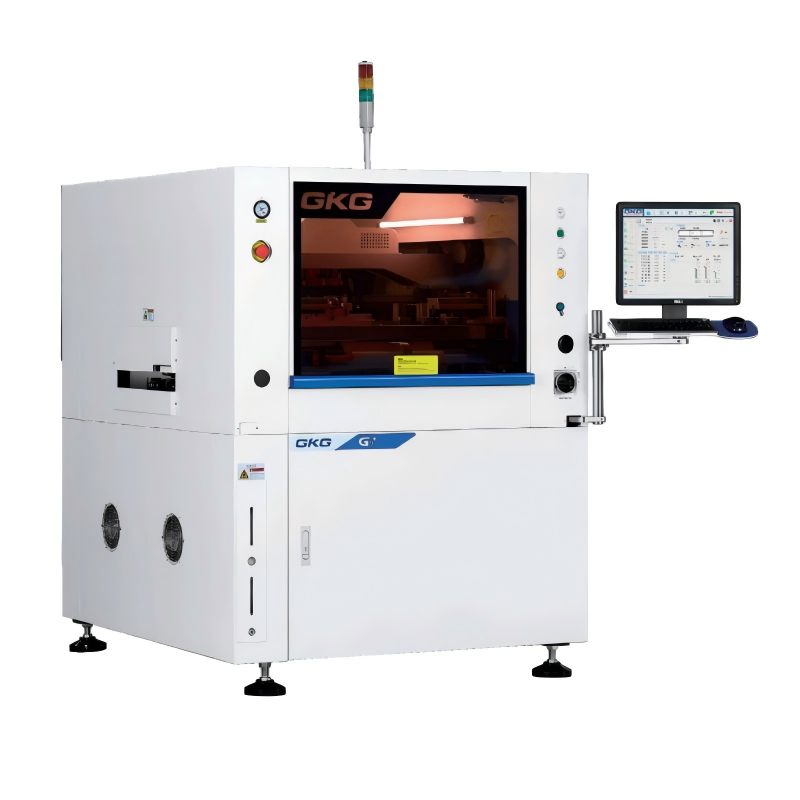
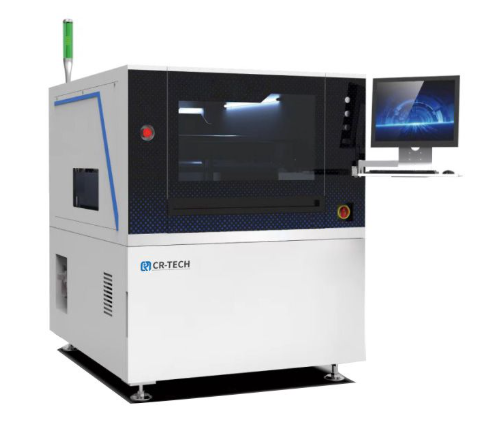
If you are facing rework headaches or inconsistent yields, here are the five most common stencil printing defects and how advanced machine features (like those in our CRtech T5 stencil printer) can prevent them.
1. Solder Bridging (Short Circuits)
-
The Problem: Excess solder paste connects two adjacent pads. This is typically caused by unstable squeegee pressure or an improper snap-off speed.
-
How to Avoid: Use closed-loop pressure control (standard on our machines). Maintain consistent squeegee pressure (typically 1.0–1.5 kg per 50mm of blade length) and reduce snap-off speed to 0.5–1.0 mm/s to prevent paste "squeeze-out."
2. Insufficient or Inconsistent Paste Volume
-
The Problem: Starved joints lead to tombstoning or cold solder. This happens when the board flexes under pressure or the stencil under wipes are poor.
-
How to Avoid: Implement vacuum block support systems to eliminate board flexing. Pair this with wet/dry/vacuum under-stencil cleaning cycles every 5–10 prints to keep apertures clear.
3. Solder Paste Smearing
-
The Problem: Paste is dragged across the solder mask instead of being deposited cleanly. The culprit is usually improper separation speed after printing.
-
How to Avoid: Utilize controlled separation (under-stencil detachment) with adjustable deceleration rates. A slow, controlled peel (0.5–2 mm/s) allows the paste to release cleanly without tearing.
4. Misalignment (Off-contact Paste Deposit)
-
The Problem: Paste lands next to the pad, causing rework failures. This is caused by mechanical play in the vision system or worn guide rails.
-
How to Avoid: Invest in a dual-camera top-down vision alignment system that references fiducials directly, not through glass. Ensure your machine uses precision linear guides (not belt drives) to maintain repeatability under ±0.025 mm.
5. Board Contamination (Flux Residue & Paste Spatter)
-
The Problem: Small solder balls around pads reduce IPC Class 2/3 reliability. This often results from an incorrect snap-off height or static buildup.
-
How to Avoid: Enable dynamic snap-off height adjustment (programmable per PCB thickness) and integrate an ionizing bar to neutralize static charge, which repels fine-pitch pastes (01005 components).
Why Choose CRtech T5 stencil printer for Defect Prevention?
Standard machines react to defects; our smart printers prevent them. With real-time SPI (Solder Paste Inspection) link-back capability, the CRtech T5 stencil printer automatically adjusts parameters before the first defect occurs.
Final Takeaway
Don't accept 2-3% rework as "normal." By automating under-stencil cleaning, vision alignment, and separation speed, you can achieve 99.9% first-pass yield.
Ready to eliminate these defects? Download our Stencil Printing Process Optimization Checklist or contact us for a live demo today.