
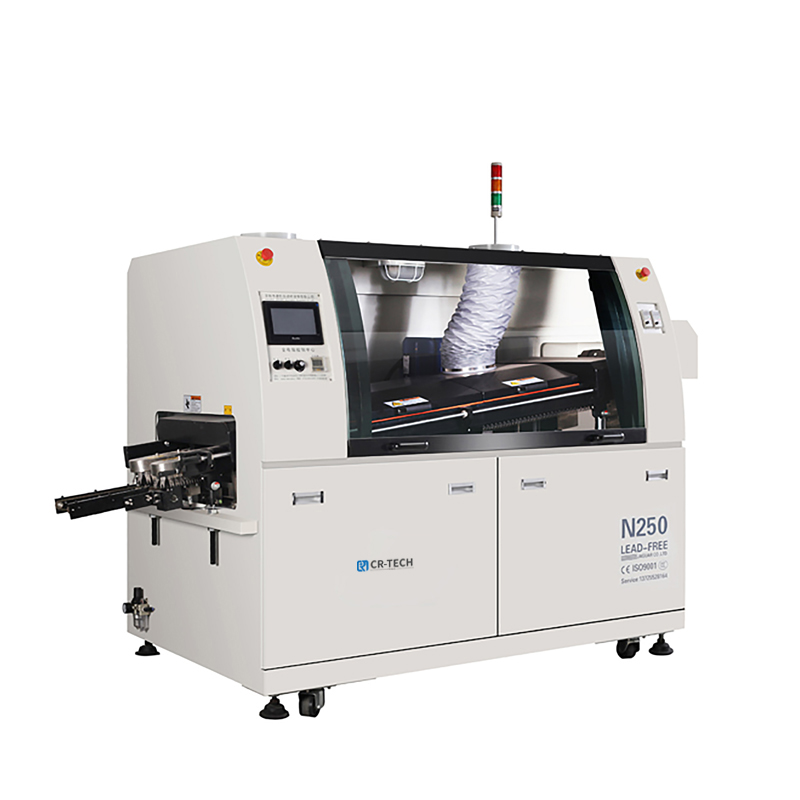
The Future of Wave Soldering
The Future of Wave Soldering
Wave soldering has been a cornerstone of through-hole component attachment for decades, and despite predictions of its decline, the technology continues to evolve in ways that make it more relevant than ever. For electronics manufacturers, understanding where wave soldering is heading is essential for making informed equipment decisions.
Based on current market data and technological developments, several key trends are defining the future of this essential process.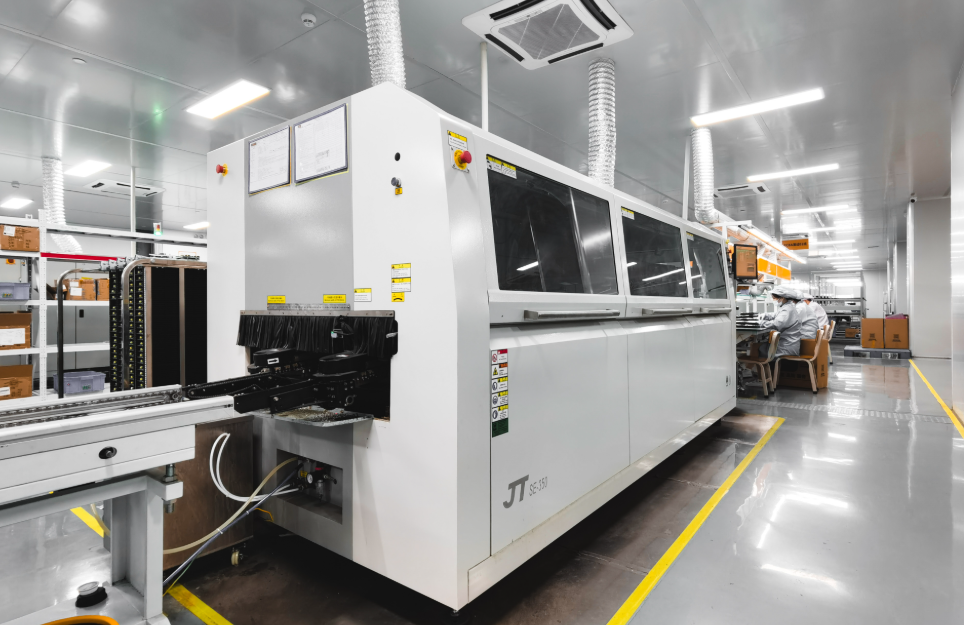
The Market Reality
The global wave soldering machine market was valued at approximately US$214 million in 2025 and is projected to reach US$239 million by 2032, growing at a steady CAGR of 1.7% . While this growth rate may appear modest, it reflects a maturing market where innovation is focused on capability rather than volume expansion.
More striking is the selective wave soldering segment, which is expanding at a CAGR of 5.8% and is projected to reach US$1.13 billion by 2032 . This growth trajectory signals where the industry is placing its bets: precision, flexibility, and reliability over raw throughput.
Trend One: Intelligent Process Control
The most significant shift in wave soldering technology is the transition from reactive to predictive process control. Traditional machines require operators to manually adjust parameters based on visual inspection and experience. The next generation of equipment is changing this paradigm entirely.
Recent patent filings reveal systems that use infrared cameras and machine learning to create real-time thermal profiles of each assembly as it moves through the soldering process . These systems can detect temperature deviations at the individual component level and automatically adjust conveyor speed, heater settings, or wave height to maintain optimal conditions.
This matters because modern PCB assemblies increasingly combine heat-sensitive surface-mount components with robust through-hole connectors. A one-size-fits-all thermal profile cannot accommodate this diversity. Adaptive control ensures consistent solder joints across mixed-technology boards without compromising sensitive components.
Trend Two: Sustainability as a Design Priority
Environmental regulations and corporate sustainability goals are fundamentally reshaping equipment design. The pressure is particularly acute in European and North American markets, where carbon footprint and energy efficiency standards continue to tighten .
Equipment manufacturers are responding with tangible innovations. Newer wave soldering systems integrate heat recovery mechanisms that capture waste thermal energy and redirect it to preheating stages. Patented nozzle designs reduce dross formation by more than 50%, which translates directly into less solder waste and lower material consumption . Some systems report maintenance interval extensions of up to 93% due to reduced oxidation buildup .
These are not merely environmental wins. Reduced dross means lower operating costs. Extended maintenance intervals mean less downtime. Sustainability, in this context, is inseparable from total cost of ownership.
Trend Three: Modularity and Flexibility
The era of high-volume, single-product manufacturing lines is giving way to more flexible production environments. Electronics manufacturers increasingly need to handle multiple board designs, smaller batch sizes, and rapid changeovers without sacrificing quality.
This demand is driving the adoption of modular compact wave soldering systems that can be reconfigured or upgraded as production needs change . These machines support rapid recipe switching, allowing operators to move between different board assemblies with minimal setup time. The market data supports this direction: compact wave soldering machines already represent approximately 60% of the market and continue to gain share .
The strategic implication is clear. Equipment purchased today should be evaluated not just for what it can do now, but for how easily it can adapt to the products of tomorrow.
Trend Four: The Emergence of Selective Soldering
Perhaps the most consequential development is the growing preference for selective wave soldering in high-reliability applications. Unlike traditional full-board wave soldering, selective systems use programmable nozzles to target only specific through-hole joints, avoiding thermal stress on nearby surface-mount components .
This technology is becoming essential in automotive electronics, aerospace, and industrial control applications where hybrid assemblies combine delicate SMDs with robust connectors. The selective wave soldering market is growing nearly four times faster than the broader wave soldering market .
For manufacturers serving these sectors, selective soldering capability is transitioning from a competitive advantage to a baseline requirement.
What This Means for Equipment Selection
The trends shaping wave soldering have practical implications for anyone evaluating equipment. A few principles emerge from the current landscape:
Look beyond purchase price. Total operating performance—solder and flux consumption, energy use, maintenance intervals, defect rates—matters more than initial cost . A machine that reduces dross by 50% and extends maintenance intervals pays for itself over time.
Prioritize adaptability. The ability to handle mixed-technology boards, support quick changeovers, and integrate with inspection and data systems will determine how long your equipment remains viable .
Evaluate the digital foundation. A phased approach to connectivity is more realistic than a wholesale Industry 4.0 transformation. Start with measurable use cases: profile monitoring, predictive maintenance, defect correlation .
Consider service and support infrastructure. As machines become more sophisticated, the availability of local service, spare parts, and remote support becomes a critical operational variable .
Conclusion
Wave soldering is not a legacy technology awaiting obsolescence. It is a process undergoing meaningful evolution, driven by the same forces transforming electronics manufacturing broadly: the need for greater precision, more flexibility, and more responsible resource use.
For manufacturers, the question is not whether wave soldering will remain relevant, but whether their equipment strategy positions them to benefit from these changes.