
Wave vs. Selective Soldering
Wave vs. Selective Soldering
1. Introduction: The Evolution of PCB Assembly
In the landscape of Printed Circuit Board Assembly (PCBA), the transition from traditional Wave Soldering to Selective Soldering represents a shift from "mass processing" to "precision engineering." Wave soldering has been the industry workhorse since the mid-20th century, primarily designed for Through-Hole Technology (THT). However, as Surface Mount Technology (SMT) became dominant, the limitations of traditional waves—such as thermal damage to sensitive components and soldering defects on high-density boards—necessitated a more surgical approach.
2. Comparative Analysis of Price and Total Cost of Ownership (TCO)
When analyzing Price, one must distinguish between the initial capital expenditure (CAPEX) and the long-term operational expenditure (OPEX).
-
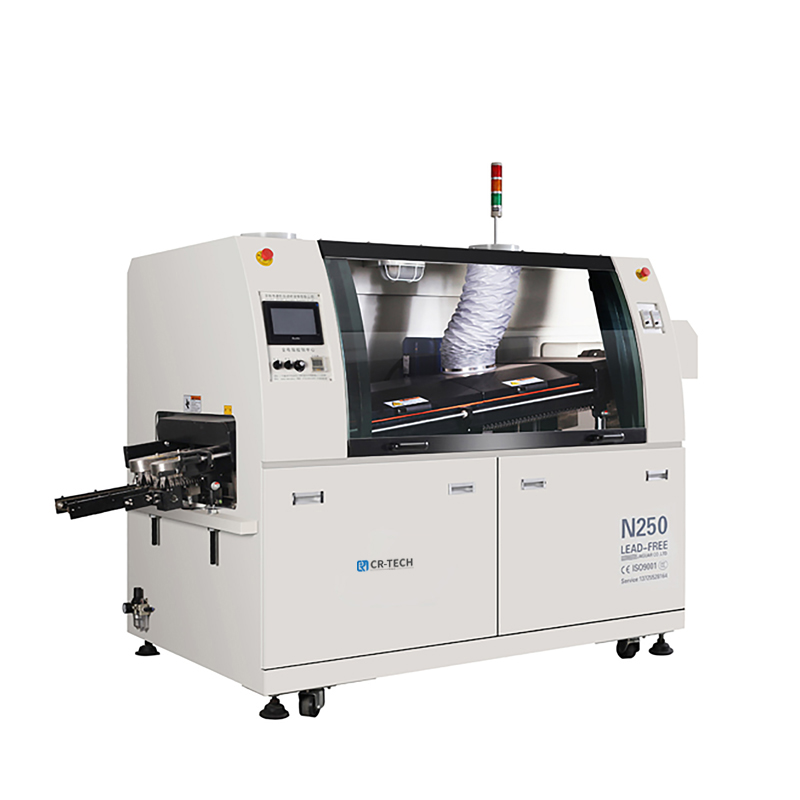
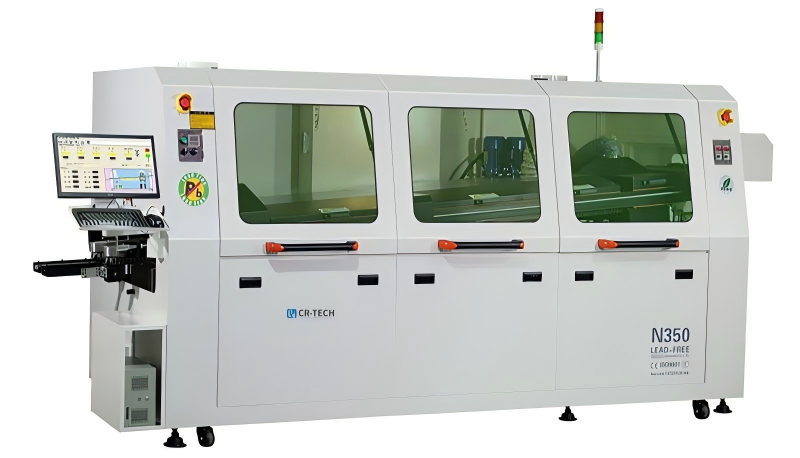
Wave Soldering: The initial purchase price is relatively modest. However, its OPEX is high. A standard wave machine requires a massive solder pot (often containing 200kg to 500kg of solder). The constant exposure of this large surface area to air leads to significant "dross" (solder oxidation), which is essentially wasted money. Furthermore, to protect SMT components on the bottom side, manufacturers must invest in expensive, custom-machined "solder pallets" for every unique PCB design.
-
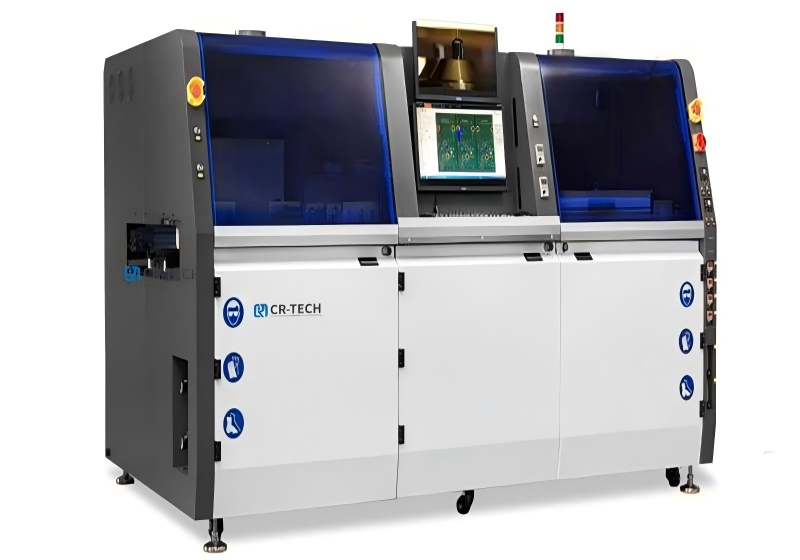
Selective Soldering: While the machine itself costs significantly more due to its robotic precision and complex fluxing systems, its OPEX is remarkably low. It uses a tiny fraction of the solder, generates minimal dross, and requires no expensive pallets. For high-mix, low-volume production, the savings on consumables and tooling often result in a faster Return on Investment (ROI) than traditional wave systems.
3. Application Scenarios and Technical Limitations
The Utility of each method is dictated by the complexity of the PCB design.
-
Wave Soldering remains the king of throughput. If you are manufacturing a simple, single-sided power supply or a basic consumer appliance board where components are sparsely populated, wave soldering can process hundreds of boards per hour. It is a "brute force" method that works best when the entire underside of the board can be safely submerged in solder.
-
Selective Soldering is designed for the modern "Mixed-Technology" board. Today’s PCBs are packed with dense SMT components on both sides, leaving very little "real estate" for through-hole pins. Selective soldering uses a programmable miniature nozzle (sometimes as small as 3mm in diameter) to apply solder only where needed. This allows the machine to weld a through-hole pin just millimeters away from a heat-sensitive SMT sensor without affecting the latter. This precision is essential for automotive ECUs, medical imaging equipment, and aerospace controllers.
4. Future Trends: Toward Industry 4.0
The Future Trend is leaning heavily toward Selective Soldering for three primary reasons:
-
Miniaturization: As electronic devices shrink, the "keep-out zones" between components become smaller. Traditional wave soldering simply cannot achieve the resolution required for next-generation hardware.
-
Sustainability and Nitrogen (N2) Usage: Selective systems operate in a localized nitrogen inerting environment. This uses far less nitrogen than the full-tunnel inerting required for high-quality wave soldering, aligning with global "Green Manufacturing" initiatives.
-
Data Integration: Selective soldering machines are inherently "smarter." They provide digital traceability for every single solder joint—recording temperature, dwell time, and wave height. In an era where automotive and medical sectors demand 100% traceability for liability reasons, the software-driven nature of selective soldering makes it the only viable choice for high-reliability applications.
Conclusion
In summary, Wave Soldering is not "obsolete," but it is being relegated to low-cost, high-volume commodity electronics. Selective Soldering, despite its higher entry price and slower cycle time per board, is the definitive future for professional electronics manufacturing. It offers the flexibility, precision, and data-rich environment that the miniaturized, high-reliability world of 2026 and beyond demands.