
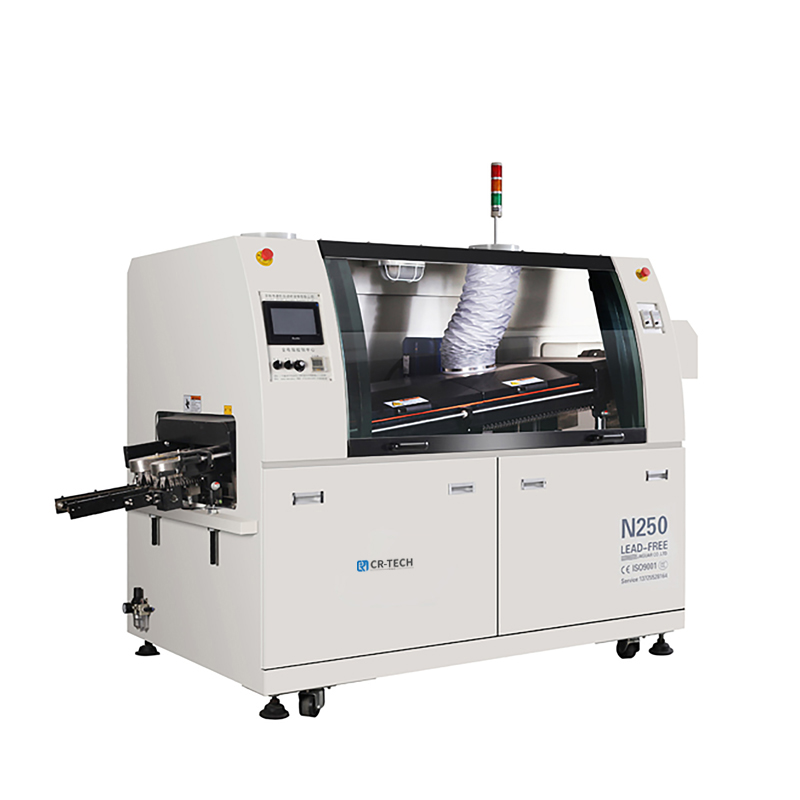
A Strategic Guide to Selecting the Right SMT Dispensing Machine
A Strategic Guide to Selecting the Right SMT Dispensing Machine
In the rapidly evolving landscape of SMT assembly, the dispensing process is a critical gatekeeper for product quality and reliability. Whether you are bonding components, applying underfill, or depositing solder paste, the right dispensing machine directly impacts throughput, yield, and long-term operational costs.
Defining True “High Precision”
When evaluating equipment, it is crucial to recognize that high precision is not just a number on a datasheet but a systematic capability. It integrates consistent volume control, accurate positioning, stable repeatability, and long-term reliability under dynamic production conditions.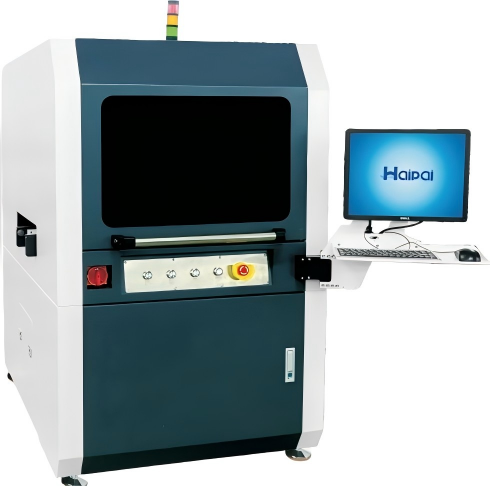
Five Core Parameters for Selection
To make an informed decision, focus on these five key technical parameters:
1. Dispensing Precision (Volume Repeatability)
This is the most fundamental metric. It measures the consistency of glue volume during continuous operation. For standard applications, a Coefficient of Variation (CV) greater than 3% may be acceptable, but for advanced chip packaging and microelectronics, you should demand ultra-high precision (CV ≤ 1%) . Always request third-party long-duration repeatability test reports, not just ideal lab values.
2. Minimum Dispensing Volume
This determines the fineness limit of your production processes. Standard SMT component fixation typically requires 0.1 mm³ to 1 mm³, while micro-sensor bonding and fine-pitch BGA encapsulation demand volumes ≤ 0.001 mm³ (1 nL). The valve technology used is key here—piezoelectric jet valves are superior for nanoliter-level dispensing.
3. Repeat Positioning Accuracy
This is the core guarantee for placing glue dots at designated coordinates. It represents the maximum offset when the motion platform repeatedly moves to the same point.
-
±0.01 mm: Satisfies most conventional PCB dispensing applications.
-
±0.005 mm: Ideal for FPC flexible circuits and high-density SMT components.
-
±0.002 mm or higher: Mandatory for wafer-level and ultra-precise chip coating.
High repeat positioning relies on precision linear modules and high-resolution encoders. A granite platform base is also a feature to look for, as it ensures long-term stability.
4. Intelligent Control System & Calibration
The machine’s software is its “brain.” Look for an intelligent system with a process database that stores optimized parameters for different substrates and adhesives, reducing reliance on operator experience. Integrated vision systems (CCD) for pattern recognition and offset compensation are now essential for modern SMT lines.
5. Process Adaptability & Scalability
A premium dispenser must handle various materials, from water-thin solvents to high-viscosity pastes and hot-melt adhesives. It should support multiple valve types—such as jet valves for speed and screw valves for large dots—and ideally allow swapping between them for different processes.
Conclusion
Choosing an SMT dispensing machine is a strategic decision that affects your entire production line. By focusing on these five core parameters, you can move beyond marketing hype to assess the true capability of the equipment. The right investment will not only solve current process pain points but also future-proof your line for emerging precision requirements.
If you have specific process challenges or need more detailed specifications, please contact our expert team for a consultation.